

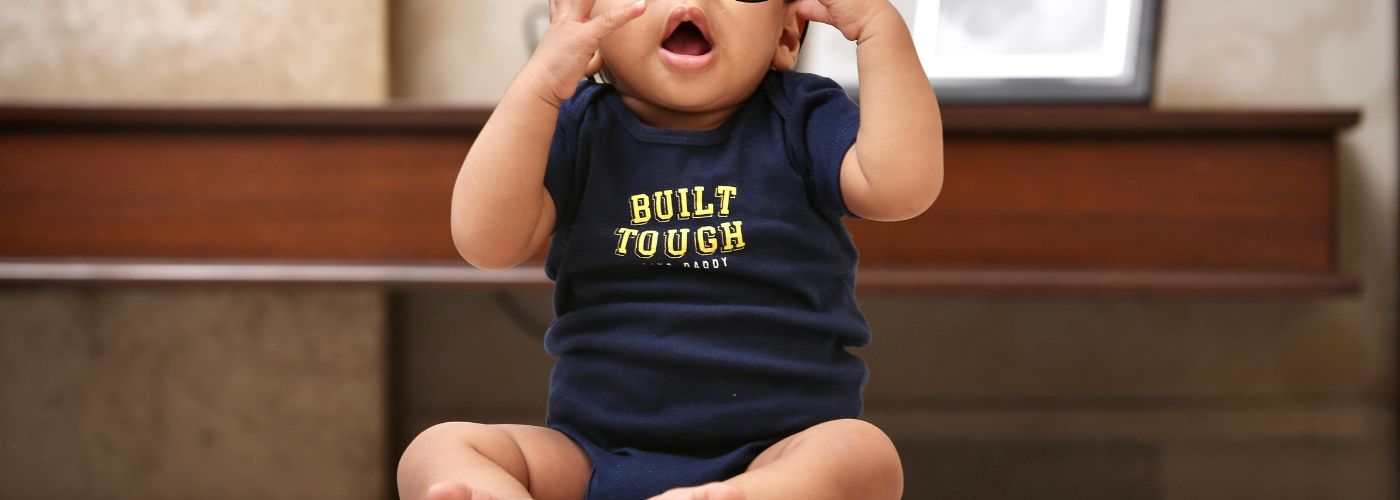
What to know about custom baby clothes printing before starting is important for anyone planning to design or sell baby apparel. Baby clothing is not just about appearance; it must be safe, gentle, and comfortable for sensitive skin. Parents look closely at quality, materials, and durability, so understanding the basics helps you create clothing that is both adorable and dependable.
Tips To Know About Custom Baby Clothes Printing
Custom baby clothes printing requires more attention than standard apparel printing. Babies move constantly, have delicate skin, and need clothing that feels soft all day long. Every decision, from fabric choice to printing method, plays a role in the final quality.
When you truly know about custom baby clothes printing, you understand that safety, comfort, and durability matter just as much as design. Taking the time to plan carefully helps prevent mistakes and leads to better results for both babies and parents.
Baby-Safe Fabrics To Consider
Fabric selection is one of the first and most important steps in the process. Babies have very sensitive skin, so harsh or synthetic materials can easily cause irritation.
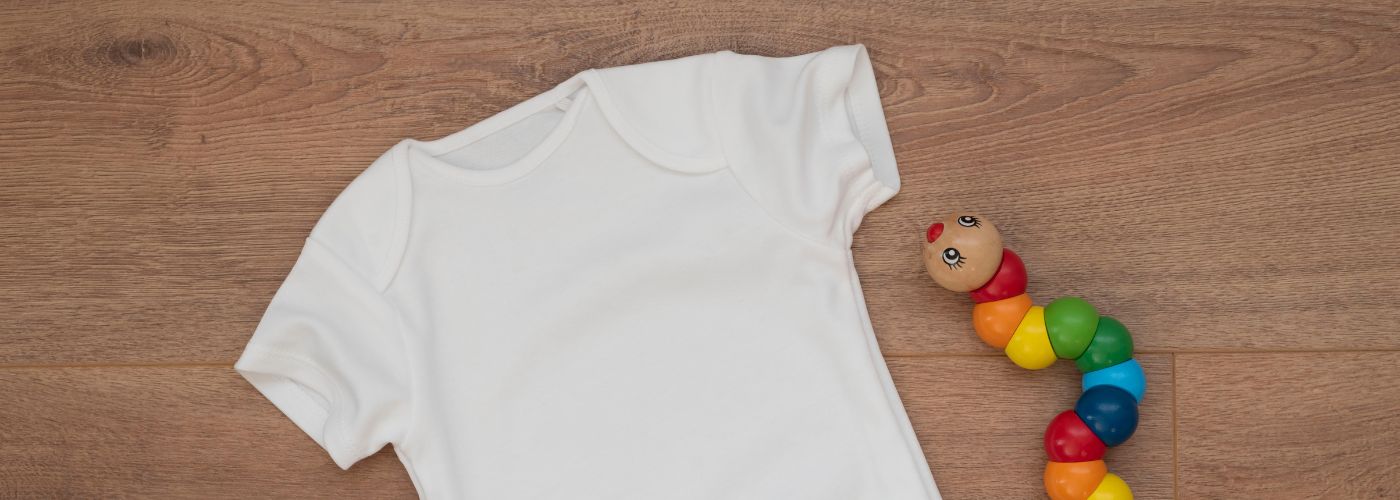
Cotton is widely used because it is soft, breathable, and gentle. Organic cotton is an even better option because it is produced without strong chemicals.
To truly know about custom baby clothes, you must prioritize fabrics that support comfort, airflow, and skin safety. Bamboo fabric is also a popular choice because it is naturally soft and helps regulate temperature.
Choosing high-quality fabrics ensures that the print feels smooth and the clothing stays comfortable throughout the day.
It is also important to think about how the fabric interacts with ink. Some materials hold prints better than others, so testing fabric and ink together can prevent fading or stiffness later on.
Planning Print Placement for Comfort and Safety
Print placement plays a major role in how baby clothes feel when worn. Babies spend time lying on their backs, being carried, and crawling, so poorly placed prints can cause discomfort.
Large or thick prints in pressure areas may rub against the skin or feel stiff.
If you know about custom baby clothes printing, you understand that thoughtful placement helps protect babies from irritation.
Small designs on the chest or upper front are usually safer choices. Avoid placing prints near seams, necklines, or areas that stretch often.
Good placement also helps the design last longer. Prints in low-friction areas are less likely to crack or peel after repeated washing and movement.
How to Test Print Quality
Testing print quality is essential before finalizing any baby apparel. A print that looks perfect at first may not survive regular washing or daily wear. Baby clothes are washed often, so durability is a must.
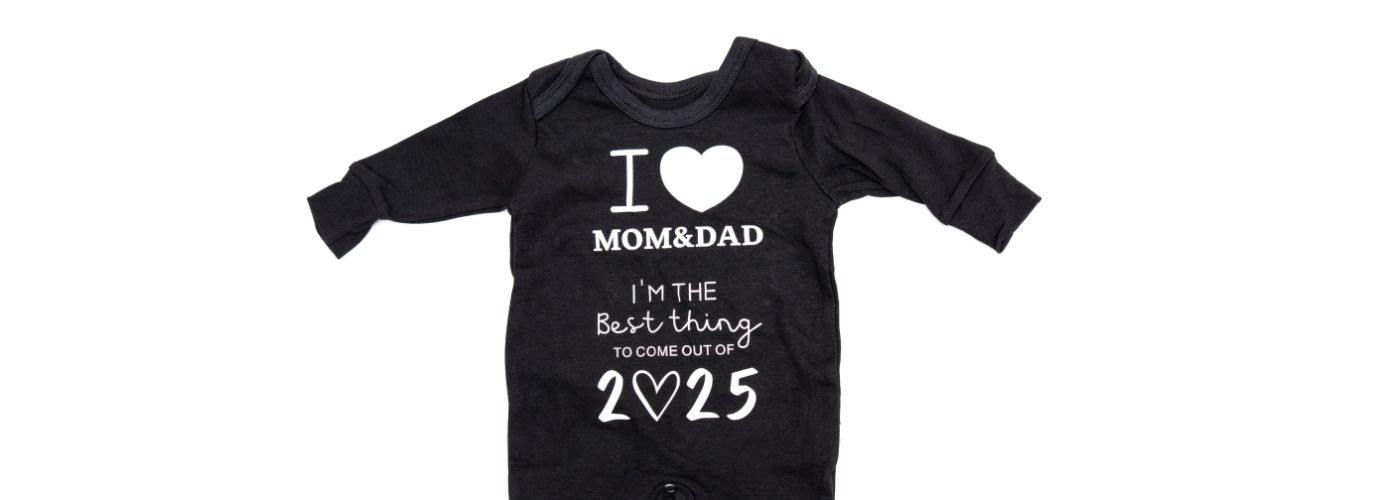
Knowing about custom baby clothes includes understanding how to test prints for flexibility, softness, and wash resistance.
Gently stretch the printed area to check for cracking, then wash the garment according to care instructions to see if colors fade or bleed.
The feel of the print is just as important as how it looks. Prints should feel smooth and flexible, not stiff or heavy. A comfortable print helps ensure the baby can move freely without irritation.
Best Practices for Ordering Samples Before Production
Ordering samples is one of the smartest steps you can take before full production. Samples allow you to evaluate the real product rather than relying on digital previews. They show how fabric, ink, and sizing work together in real life.
When you know about custom baby clothes, you never skip the sample stage because it helps catch problems early.
Review the stitching, softness, print size, and overall finish carefully. Washing the sample also helps confirm that the print holds up over time.
Samples give you confidence that your final product meets safety standards and customer expectations, saving time and money in the long run.
Common Mistakes to Avoid When Printing Baby Apparel
One common mistake is using inks that are not designed for baby clothing. Some inks may contain chemicals that are unsafe for infants. Always choose non-toxic, water-based inks approved for baby apparel.
To fully know about custom baby clothes printing, you must avoid shortcuts that compromise safety or comfort.
Another mistake is ignoring how prints feel against the skin. Thick, heavy designs can make clothing uncomfortable, even if they look appealing.
Rushing production without testing is also a major issue. Skipping steps like fabric testing, sample reviews, or wash tests often leads to poor-quality results.
Careful planning and attention to detail ensure that baby clothes parents trust and babies can wear comfortably.